Integrating PACS with Electronic Health Records: Best Practices for Indian Healthcare Facilities
Explore best practices for integrating PACS with Electronic Health Records (EHR) tailored for Indian healthcare facilities, enhancing workflows and patient care.
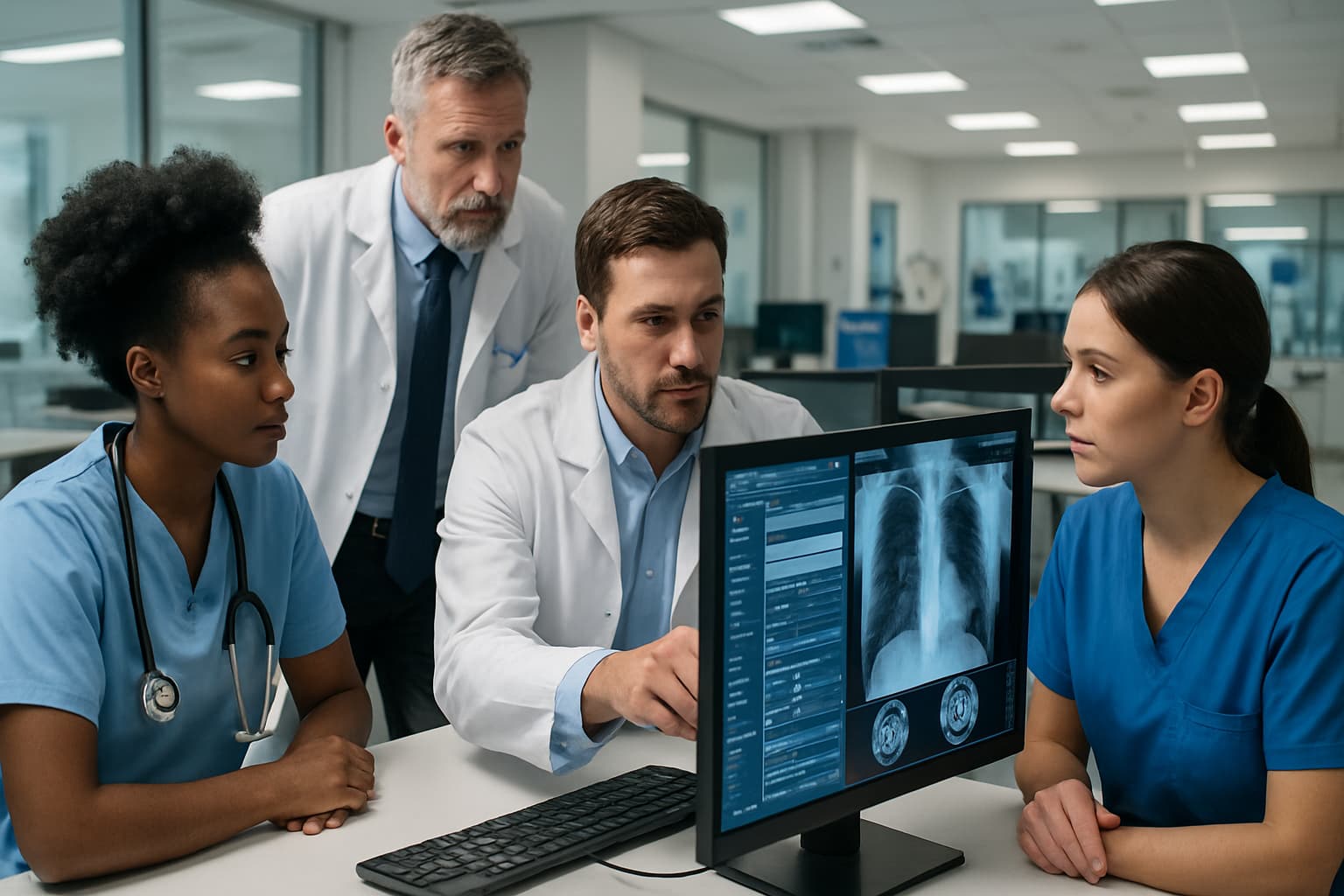
## Introduction In the rapidly evolving field of healthcare technology, the integration of Picture Archiving and Communication Systems (PACS) with Electronic Health Records (EHR) is essential for enhancing operational efficiency and improving patient care. In India, where hospitals and diagnostic centers face unique challenges, effective PACS-EHR integration can streamline workflows and enable seamless communication among healthcare providers.
## Understanding the Need for Integration Integrating PACS with EHRs allows healthcare organizations to centralize patient information, eliminating the need to toggle between different systems. This not only saves time but also enhances data accuracy, leading to improved patient outcomes. In Indian healthcare facilities, where resources may be limited, such integration can make a significant difference.
### Benefits of PACS-EHR Integration 1. Improved Accessibility: Both radiologists and healthcare providers can access patient images and reports directly through the EHR, making it easier to collaborate on patient care. 2. Enhanced Workflow Efficiency: Integration minimizes repetitive data entry, reduces the potential for errors, and speeds up reporting processes. 3. Robust Data Management: With EHR integration, patient imaging data can be easily managed and retrieved, improving overall data organization.
## Best Practices for Integration ### 1. Evaluate Your Current Systems Understanding the capabilities of existing PACS and EHR systems is essential. Evaluate whether your current solutions can support integration or if an advanced platform like BharatPACS is required for your facility's needs.
### 2. Engage Stakeholders in the Planning Process Involve key stakeholders—radiologists, IT professionals, and administrative staff—early in the planning discussions. Their insights can help identify specific challenges and requirements that the integration process needs to address.
### 3. Choose the Right PACS Solution Look for a PACS with robust integration capabilities. BharatPACS, for example, is designed with Indian healthcare providers in mind, offering features that benefit hospitals, diagnostic centers, and teleradiology companies. This ensures that they can readily adapt to their unique needs and requirements.
### 4. Establish Clear Workflows Define how images and reports will be shared between PACS and the EHR. For instance, if a diagnostic center uses BharatPACS to upload DICOM images, ensure these automatically appear within the patient's EHR for easy access by all relevant healthcare team members.
### 5. Prioritize User Training Conduct comprehensive training sessions for all users on how to navigate the integrated system efficiently. Training will help staff adapt to the new workflows and reduce the likelihood of operational challenges.
### 6. Monitor and Optimize Once the systems are integrated, continually assess the workflows to ensure they are functioning as intended. Collect feedback from users to identify any bottlenecks or areas for improvement. For instance, the ability to revert cases in BharatPACS allows users to maintain a traceable flow of information, which can be invaluable in optimizing workflows.
### 7. Ensure Compliance and Data Security Maintaining compliance with healthcare regulations is crucial during and after integration. Ensure that both PACS and EHR meet local regulatory standards. BharatPACS provides organizations the ability to manage user roles and access controls, further enhancing data security and compliance without vendor dependency.
## Conclusion Integrating PACS with EHR systems can significantly enhance medical imaging workflows within Indian healthcare facilities. By implementing best practices as outlined, organizations can improve accessibility to patient data, reduce inefficiencies, and ultimately provide better healthcare services. If you’re considering this vital integration, look toward solutions like BharatPACS that are designed specifically for Indian healthcare needs.
For more information on how BharatPACS can support your PACS needs, explore our offerings today!